Local LLMs
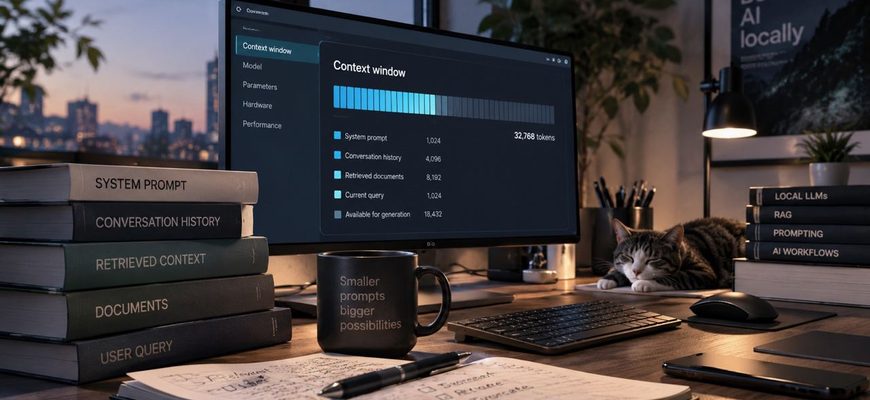
A local model may advertise a 32K, 64K, 128K, or even larger context window. That does not mean you should configure your local runtime to use the maximum.

A 14 GB model file does not mean you need exactly 14 GB of memory to run it. And a model described as “8B” does not have one fixed memory requirement.

Choosing a local language model is not about downloading the model with the highest benchmark score. The right choice depends on your hardware, available

GGUF is one of the most common file formats for running large language models on personal computers. It packages model weights, metadata, tokenizer information
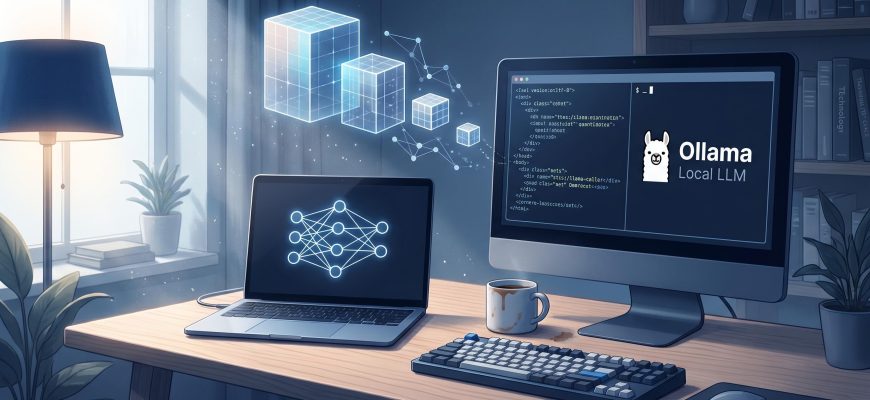
Introduction One of the main reasons modern large language models can run on home computers and affordable servers is quantization. Without quantization

Introduction The open-source AI ecosystem has grown rapidly, and two model families continue to play an important role in local AI deployments: Mistral and Llama.

Introduction Open-source large language models have improved dramatically over the past few years, and two names consistently stand out: DeepSeek and Qwen.

Introduction Running large language models locally is no longer limited to high-end GPU servers. Thanks to model optimization, quantization, and improved
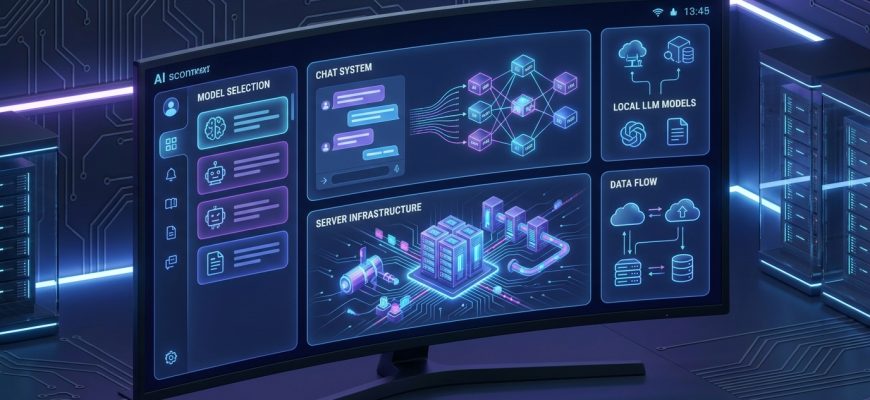
Introduction Open WebUI is a powerful self-hosted interface for running and interacting with large language models (LLMs) locally or on your own server.
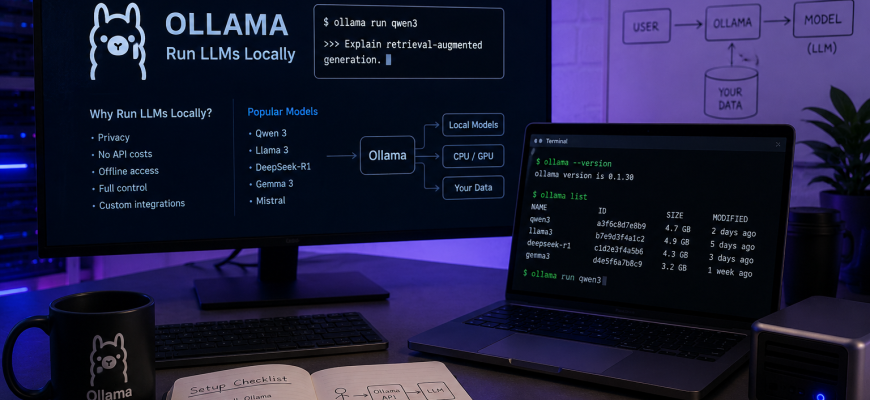
Introduction Running large language models (LLMs) locally has become one of the most popular ways to use AI in 2026. Instead of relying on cloud services