Local LLM
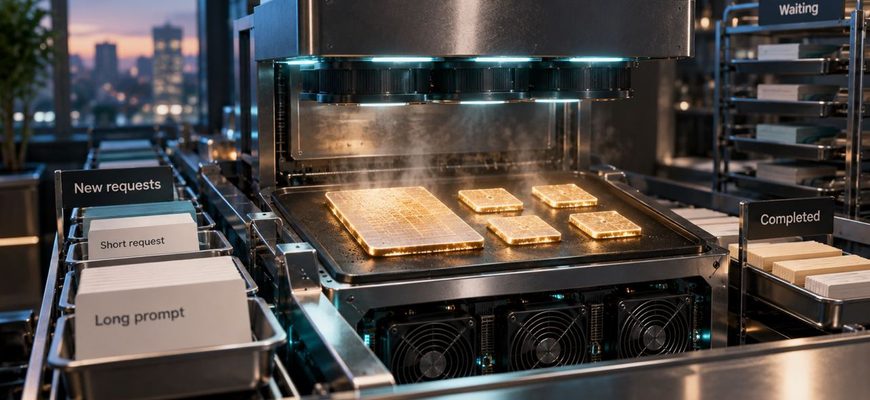
Four people are talking to the same local LLM. One asks a short question and gets an answer in seconds. Another requests a long explanation.

A local LLM produces 100 tokens per second. On paper, that sounds fast. Then a real user sends a long prompt and waits several seconds before anything

A local LLM does not have one meaningful “tokens per second” number. Before it can write the first token of an answer, it has to process the tokens already in the prompt.

A local LLM does not necessarily have to fit entirely inside your GPU’s VRAM. If the model is too large, runtimes such as llama.cpp can keep part
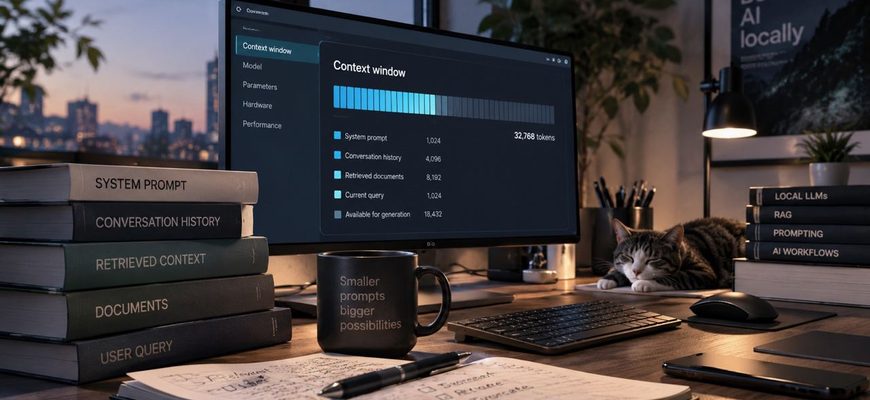
A local model may advertise a 32K, 64K, 128K, or even larger context window. That does not mean you should configure your local runtime to use the maximum.

A local LLM being slow does not automatically mean that your GPU is too weak. The model may be spilling into system RAM, the CPU may be doing more work

A 14 GB model file does not mean you need exactly 14 GB of VRAM to run it. The weights are only one part of the memory used during inference.