Blog
A faster PCIe connection does not always make local LLM inference faster. Learn when PCIe bandwidth matters for model loading, CPU offloading, and GPU performance.
A 16-core CPU can load a quantized local LLM, show activity across many cores, and still generate text much more slowly than expected. Adding threads may help at first.
You download a model described as 30B-A3B. The second number looks reassuring: only about three billion parameters are active for each token.
A shared LLM server is approaching its limit. The model weights still fit. The GPU has not reported an out-of-memory error. But long conversations and
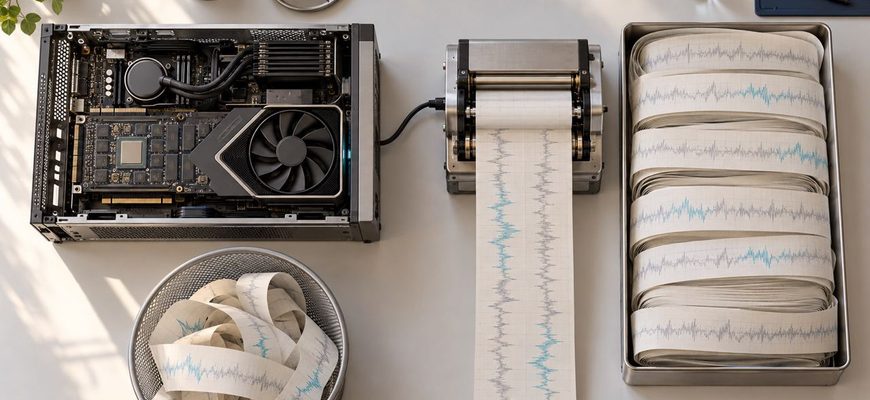
The shared LLM server has not crashed. GPU utilization remains high, requests are still finishing, and the monitoring dashboard shows no conventional out-of-memory failure.
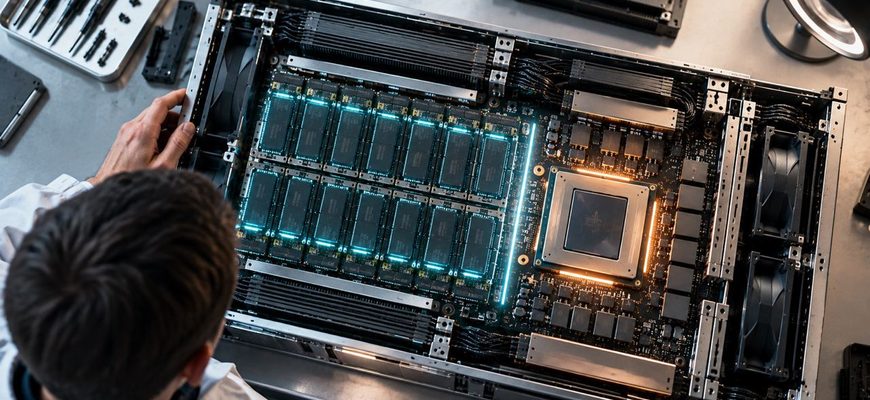
Two requests can contain almost the same 20,000-token prompt and still reach the first generated token at very different times. On the first request, the
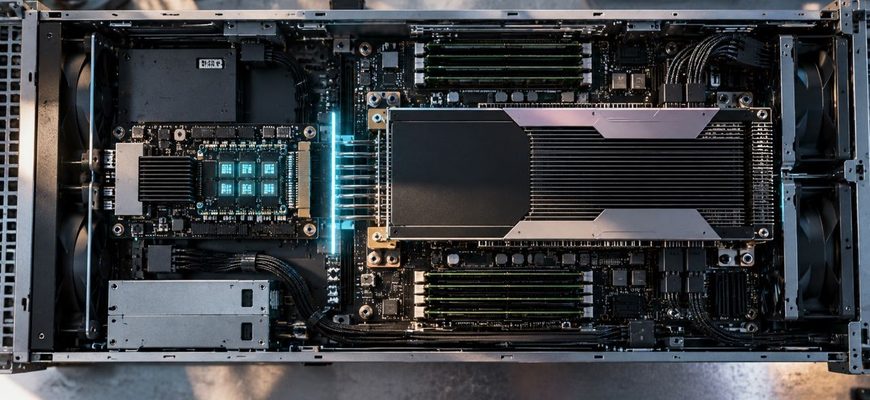
A large language model can have a powerful GPU almost to itself and still produce a single conversation one token at a time. The accelerator finishes one
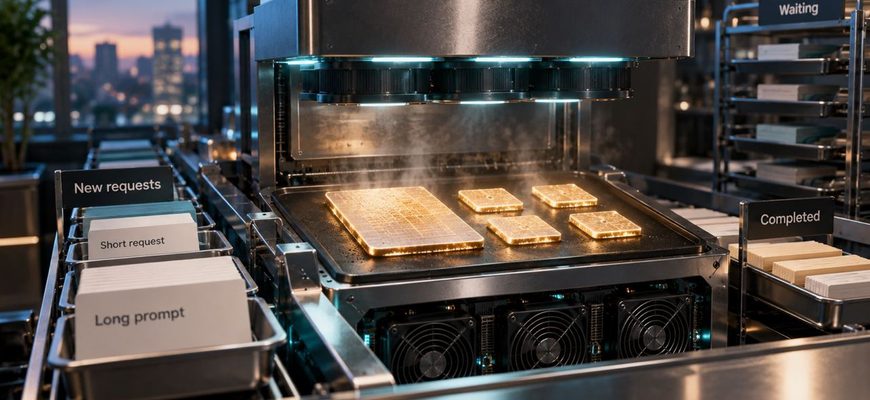
Four people are talking to the same local LLM. One asks a short question and gets an answer in seconds. Another requests a long explanation.

Three people are using the same local AI server. Two answers are already streaming at a comfortable pace. Then a third user pastes a long document and presses Send.

There is an appealingly simple upgrade path for a busy local AI server: install another GPU. Twice the accelerators should mean something close to twice